



Fire-Rated Glass
in
Multifamily
Buildings
Discover how fire-rated glass can support
code-compliant and occupant-focused design.


Form Meets Function: Using Fire-rated Glass for Multifamily Residences
In multifamily residences, fire-rated glass solutions offer essential protection without sacrificing aesthetics. From fire-rated glass floors to fire-rated glass partitions, selecting the right fire-rated systems helps protect occupants and property while supporting modern, welcoming designs.
Enhanced Daylighting
& Connectivity
Fire-rated curtain walls for apartments maximize natural light and create a seamless connection between residents and their community.
Intuitive Wayfinding
& Open Spaces
Fire-rated glass doors in stairwells improve visibility, guiding occupants naturally while maintaining bright, open interiors.
Multi-Level Daylighting
Fire-rated glass floors enhance architectural appeal and permit daylight to flow through multiple levels, resulting in a more dynamic environment.
Superior Aesthetics
Advancements in fire-rated glass improve surface quality, clarity, and color, delivering a refined, non-institutional look.
Seamless Integration
Narrow-profile fire-rated frames closely match non-rated systems, ensuring visual consistency throughout the design.
Code-compliant Communal Spaces: Passive Protection with a Touch of Elegance
Fire-rated glass for residential buildings enhances safety and aesthetics, making shared spaces feel open and inviting while meeting code requirements. Yet, architects and designers may wonder where fire-rated glass in multifamily occupancies can have the greatest impact. Here are key applications where fire-rated glass elevates both function and form:

Fire-rated glass doors for multifamily buildings maintain a visually connected, welcoming environment while supporting safe egress routes.

Fire-rated windows for apartments near the property line support code-compliant daylighting strategies.

Fire-rated curtain walls improve stairwell visibility and navigation while meeting code requirements.

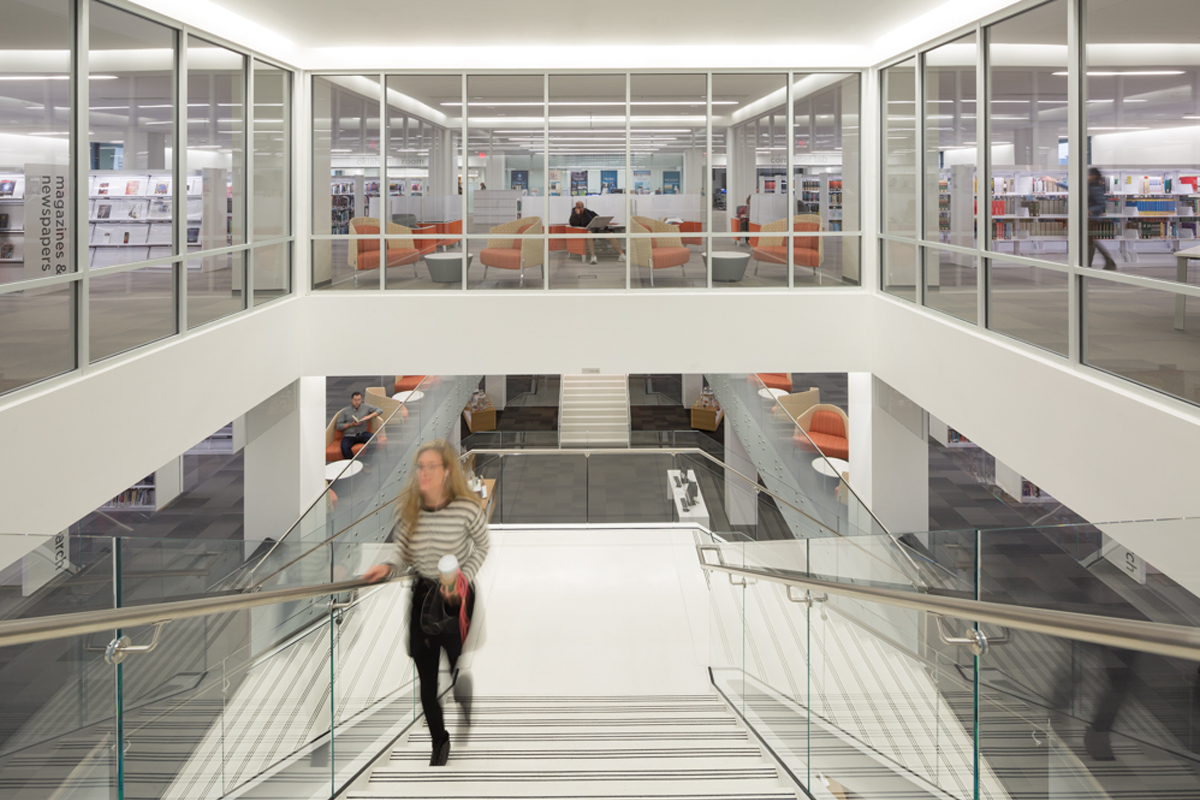
Fire-rated glass floors allow natural light to filter through multiple levels, enhancing daylighting strategies.

Fire-rated glass partitions, like butt-glazed systems, offer large expanses of glass within narrow-profile perimeter frames.

Smoke-rated glazing systems establish transparent yet enclosed elevator lobbies for improved safety and connectivity.
The Basics:
Fire-rated glass and framing

Explore key insights on fire-rated glazing solutions for your multifamily project. Get expert guidance on the topics that matter most!
See Fire-Rated BasicsBeyond The Basics: FIRE-RATED, SMOKE-RATED GLASS & FRAMING FOR MULTIFAMILY BUILDINGS
LEVERAGING LANDSCAPE
WITH DAYLIGHTING DESIGN
Dramatic wall features create a visually interesting transfer of light in a Seattle, WA residential tower.
Read Case StudyTHE METTLE OF METAL
Fire-rated frames contribute light to code-compliant stairwell design.
READ ARTICLEProducts
And Solutions
TGP offers a range of fire-rated and smoke-rated glazing solutions for code compliance without compromise. Whether your project requires fire-protective, fire-resistive, or smoke-rated glazing, our custom solutions help create modern, code-compliant spaces without sacrificing aesthetics. Explore options to enhance your next multifamily project.
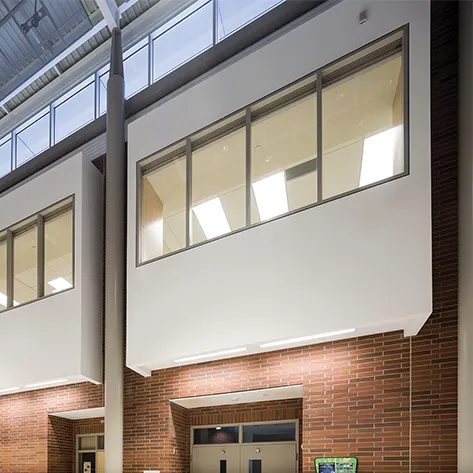
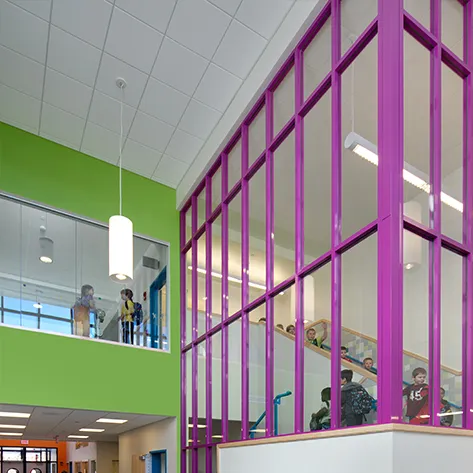

Multifamily Building Design Resources
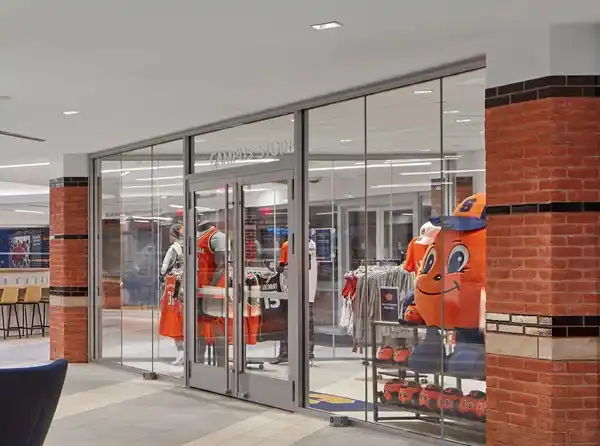
Expert Insights
Planning for Fire-Resistance Rated Requirements Without Compromising Aesthetics
Planning for Fire-Resistance Rated Requirements Without Compromising Aesthetics
Although necessary, planning buildings around fire- and life-safety code requirements can often make designers feel like they are in a zero-sum game where code compliance and design freedom are mutual...
>>
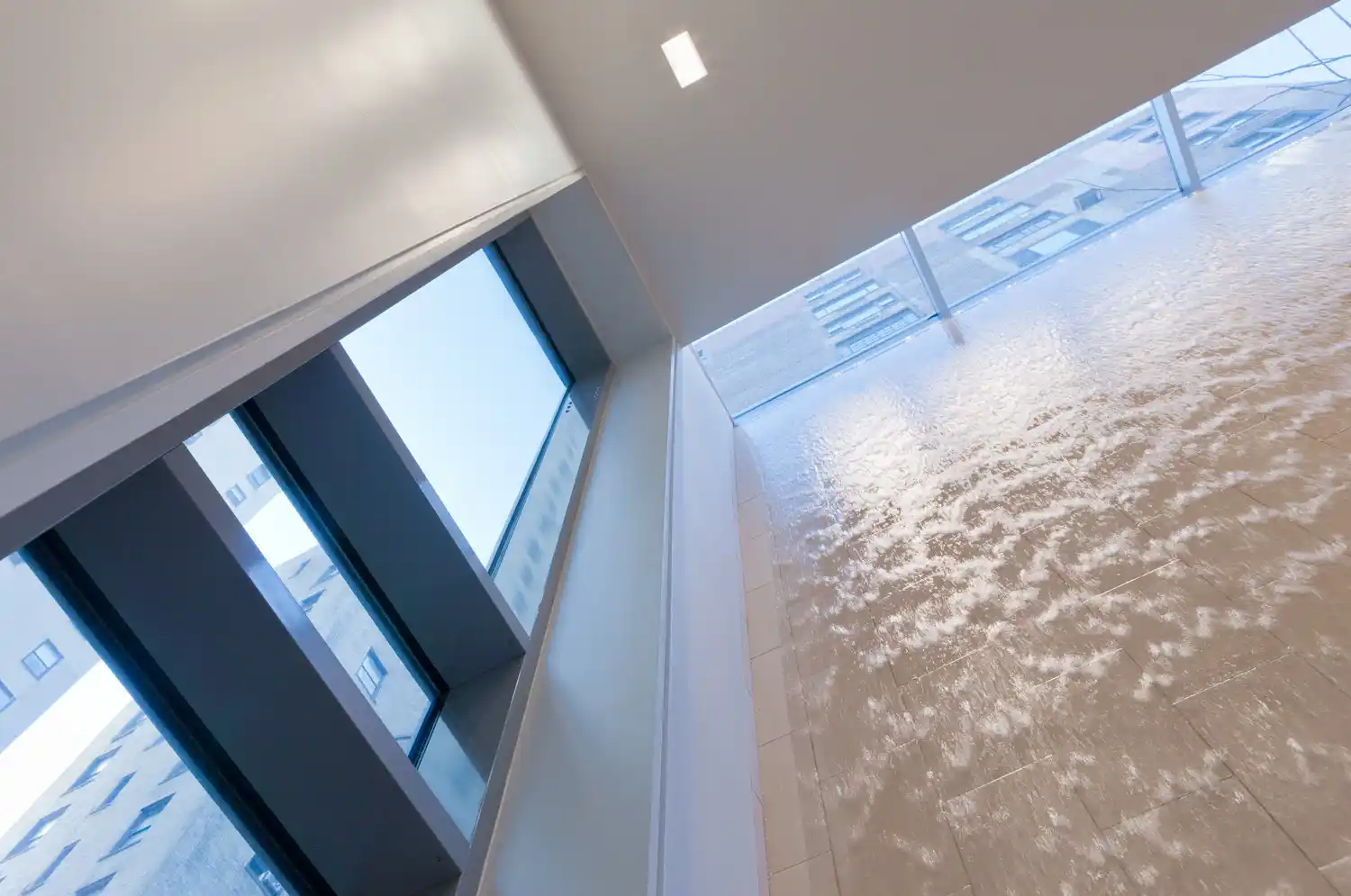
Expert Insights
Fire-Rated Glazing for Zero-Lot-Line Walls: What Architects Need to Know
Fire-Rated Glazing for Zero-Lot-Line Walls: What Architects Need to Know
While the use of fire-rated glazing is predominately relegated to applications within the built environment, there are contexts for which fire and life safety codes require exterior fire-resistive wal...
>>
Expert Insights
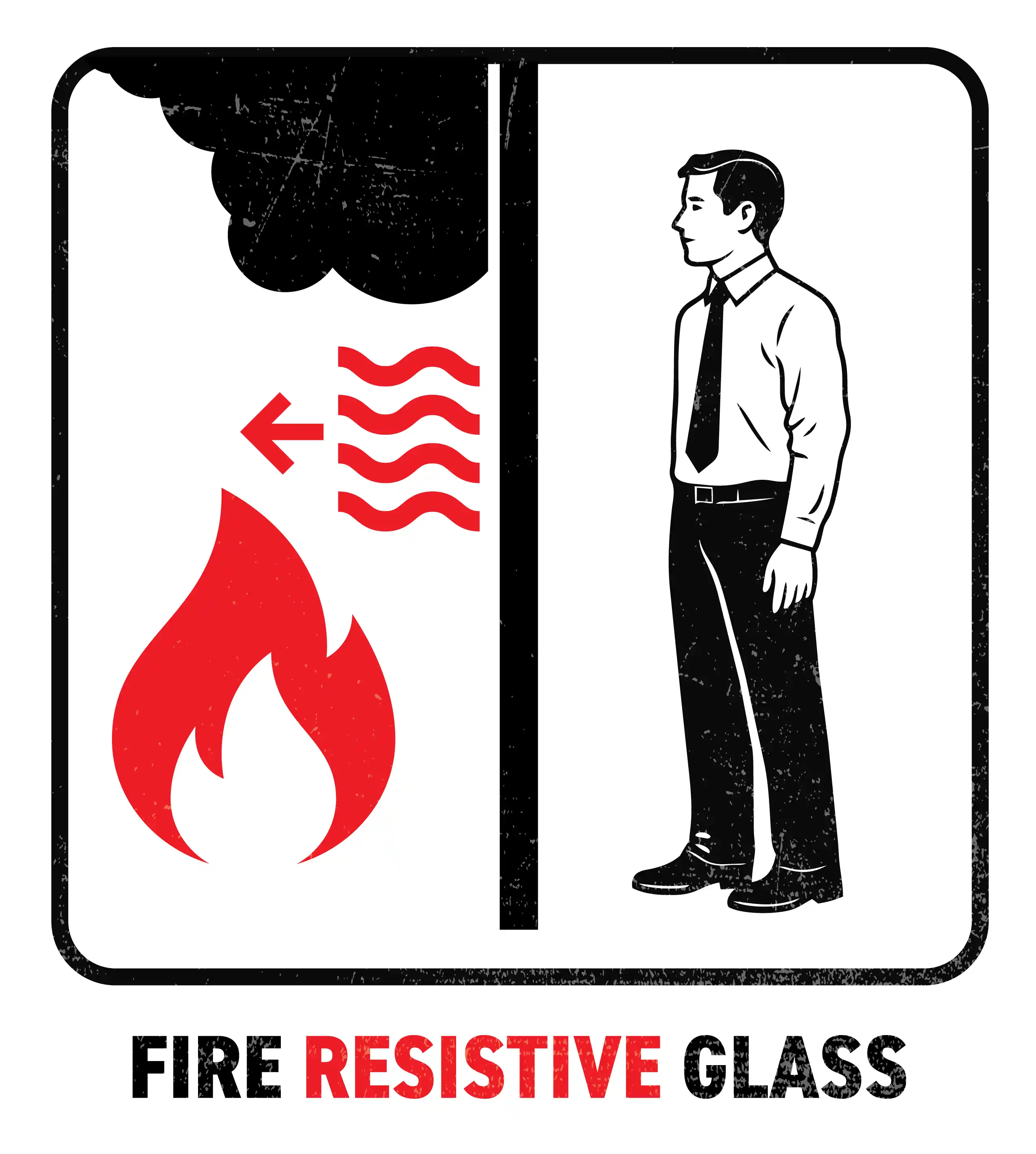
Fire-Resistive vs. Fire-Protective Glass: Understanding Testing Protocols and Safety Standards
Fire-Resistive vs. Fire-Protective Glass: Understanding Testing Protocols and Safety Standards
Section 701 of the 2024 International Building Code (IBC) begins, “The provisions of this chapter shall govern the materials, systems and assemblies used for structural fire resistance and fire-resist...
>>
Expert Insights
Security and Ballistic Glass: How are They Different and Which is Better?
Security and Ballistic Glass: How are They Different and Which is Better?
The challenge with designing safer, more secure buildings is that there are often no officially recognized standards that list what features and materials should be used for enhanced security. While t...
>>
Expert Insights
Part of a System: How Fire-Resistant Glazing Plays a Part in Life-Safety Design
Part of a System: How Fire-Resistant Glazing Plays a Part in Life-Safety Design
Life-safety design pertains to a building’s ability to protect its occupants from fire and other life-threatening emergencies. Many materials can contribute to life-safety designs, but some may limit ...
>>
Expert Insights
Answering the Question: Why Can't Glass be Fireproof?
Answering the Question: Why Can't Glass be Fireproof?
Creating a safe environment for occupants is so important that councils and associations have developed building codes to ensure each building fulfills certain baseline requirements. In turn, independ...
>>
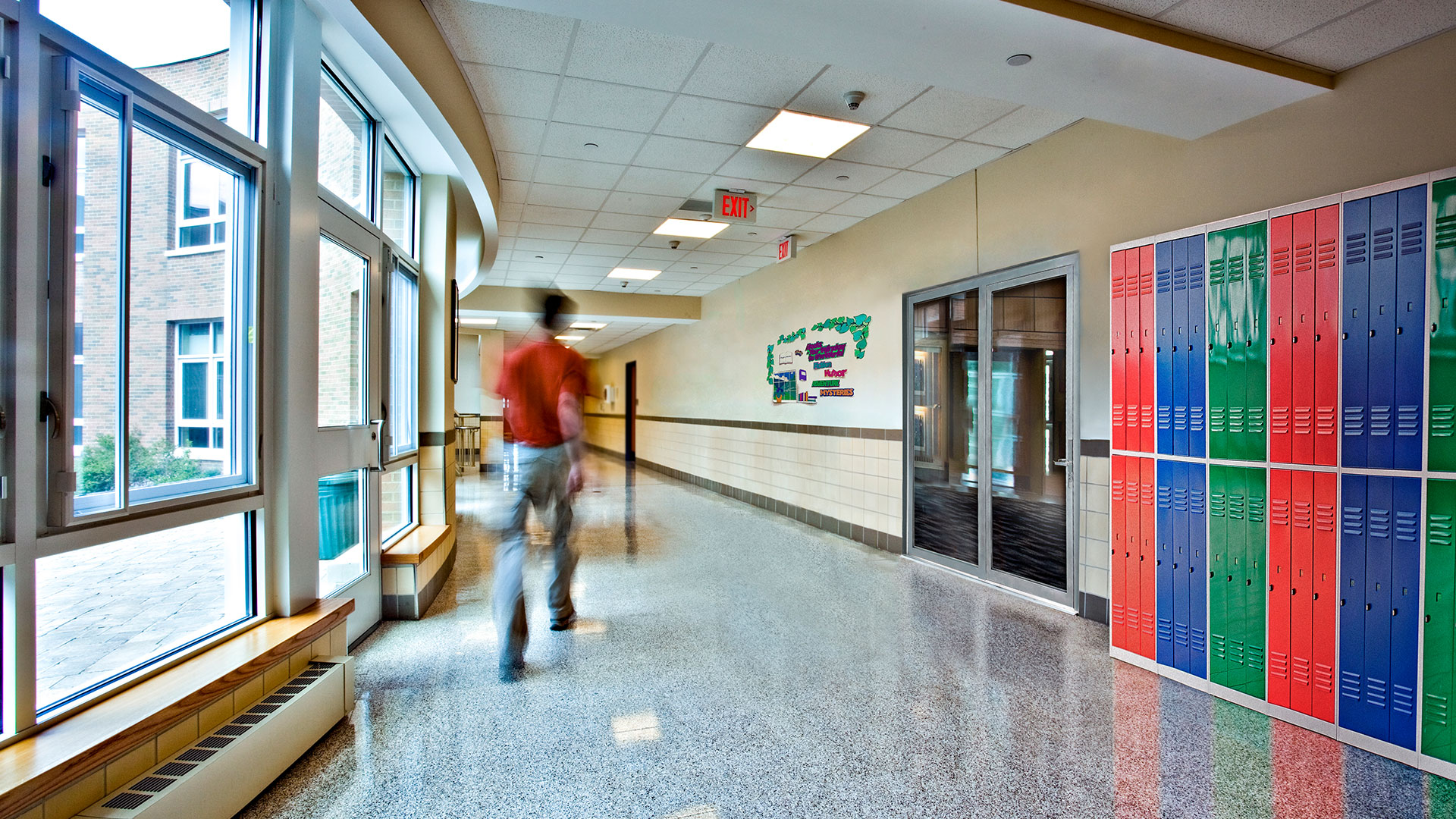
Expert Insights
Creating Safer Spaces: A Deep Dive into Bullet-Resistant Glass
Creating Safer Spaces: A Deep Dive into Bullet-Resistant Glass
In recent years, forced entry- and bullet-resistant glass have seen increased use in multiple occupancy types, from schools, banks, currency exchanges, police stations, embassies, military installatio...
>>
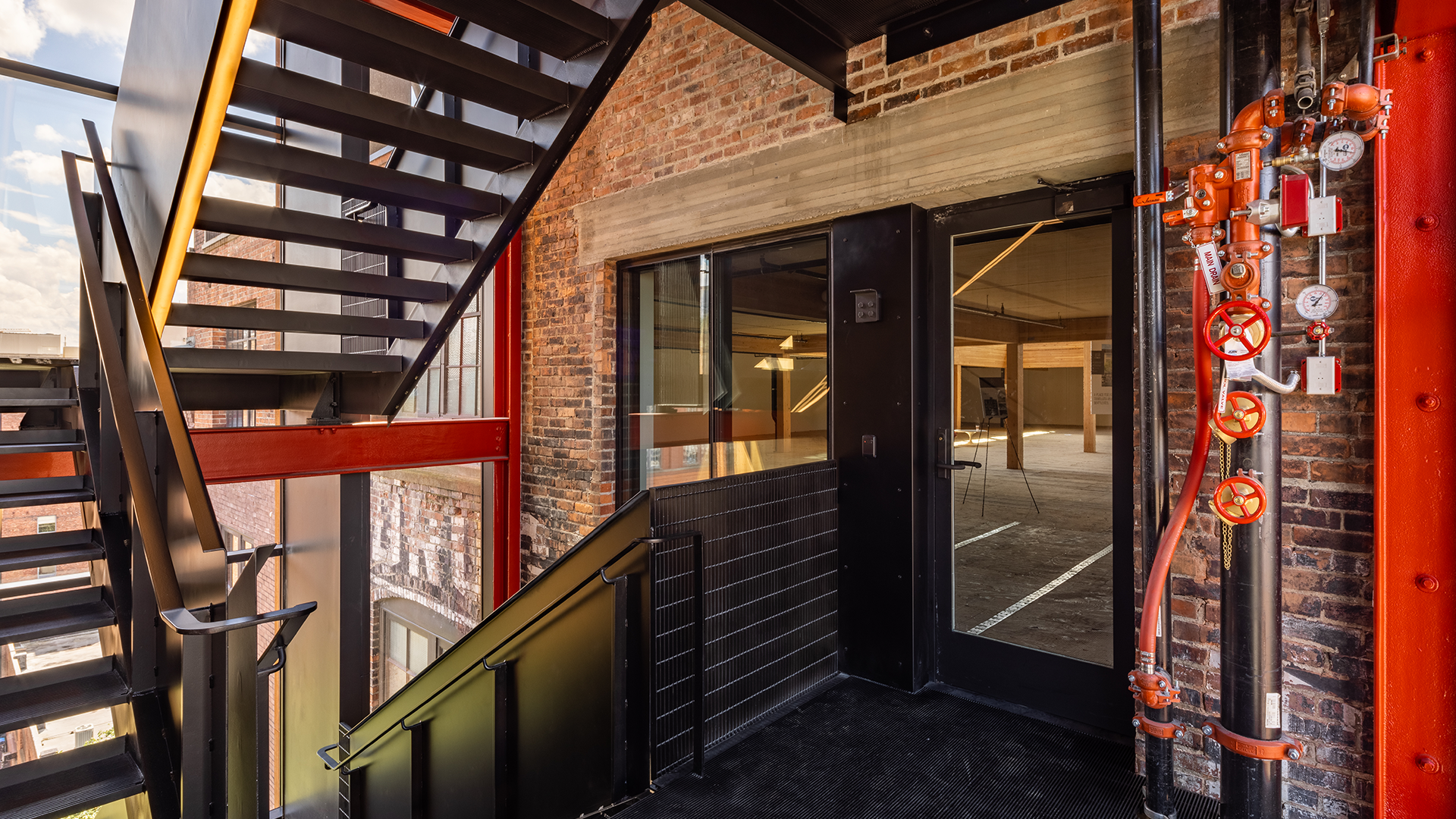
Expert Insights
Creating Clarity: Are There Disadvantages to Fire-Rated Glass?
Creating Clarity: Are There Disadvantages to Fire-Rated Glass?
Fire-rated glass allows designs that would have been difficult, if not impossible, decades ago. Whereas previously, fire- and life-safety code requirements were only achievable with opaque materials o...
>>
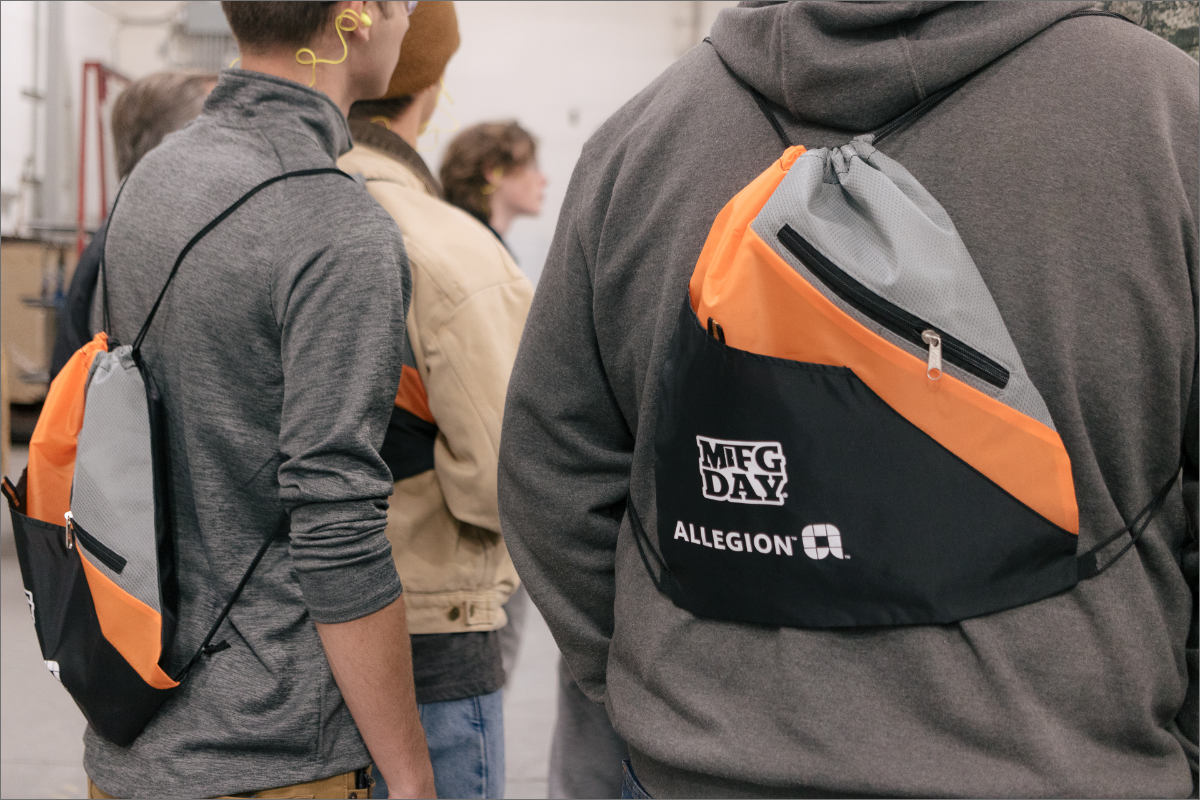
Expert Insights
MFG Day: Building the Manufacturing Community
MFG Day: Building the Manufacturing Community
Each year, the first Friday of October is MFG Day, and with it comes a series of events meant to explain the vital role manufacturing plays in our everyday lives: from the products we use to the commu...
>>
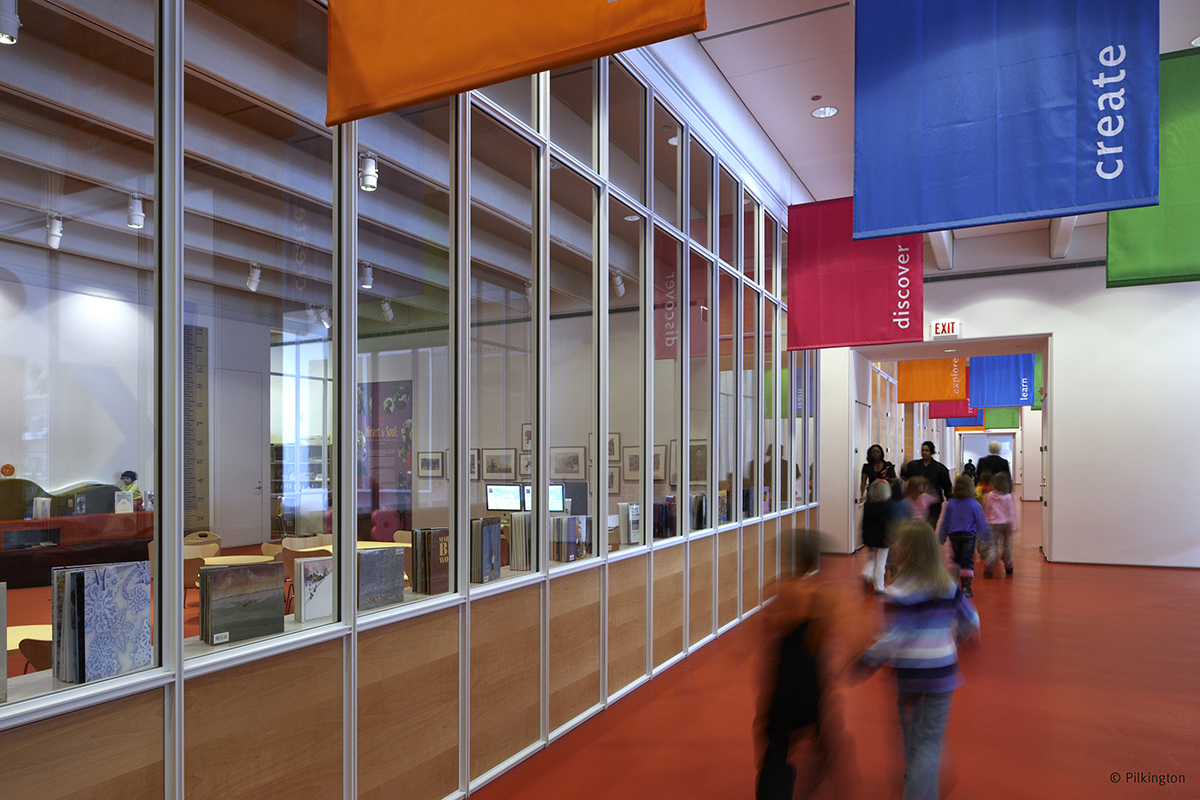
Expert Insights
Achieving 24/7 Protection with Fire-Resistant Glazing
Achieving 24/7 Protection with Fire-Resistant Glazing
Towards the end of the 19th century, the building and insurance industries were at a crossroads—electricity had just begun brightening factories, stores and other commercial buildings, but it also pre...
>>
Expert Insights
Acting Quickly and Deploying at Scale: An NGA Glass Conference Recap
Acting Quickly and Deploying at Scale: An NGA Glass Conference Recap
Glass is changing. That was the throughline at the NGA’s Glass Conference in Tacoma, Wash. Whether it is promoting sustainable building practices or enhancing school security, glazing’s capabilities, ...
>>
Expert Insights
Interview: What You Need to Know About Butt-Glazed Fire-Rated Systems
Interview: What You Need to Know About Butt-Glazed Fire-Rated Systems
Q: How would you describe a butt-glazed fire-rated system to someone who is new to the glazing industry? Put simply, a butt-glazed fire-rated system is composed of clear lites of fire-rated and impact...
>>
Expert Insights
Interview: Sustainability in the Works with Tim Weller
Interview: Sustainability in the Works with Tim Weller
It’s an understatement to say a lot has changed on the green building front in the last 20 years. LEED went from being an acronym no one could define in the early 2000s to an accepted industry term. I...
>>
Expert Insights
Do Fire Doors Need to be Self-Closing?
Do Fire Doors Need to be Self-Closing?
Fire-rated doors and their proper use have recently come to the forefront in discussions about fire safety. As more people return to offices, commercial buildings and other public spaces, facility ope...
>>
Expert Insights
Commentary: What's Ahead for Fire-rated Glazing?
Commentary: What's Ahead for Fire-rated Glazing?
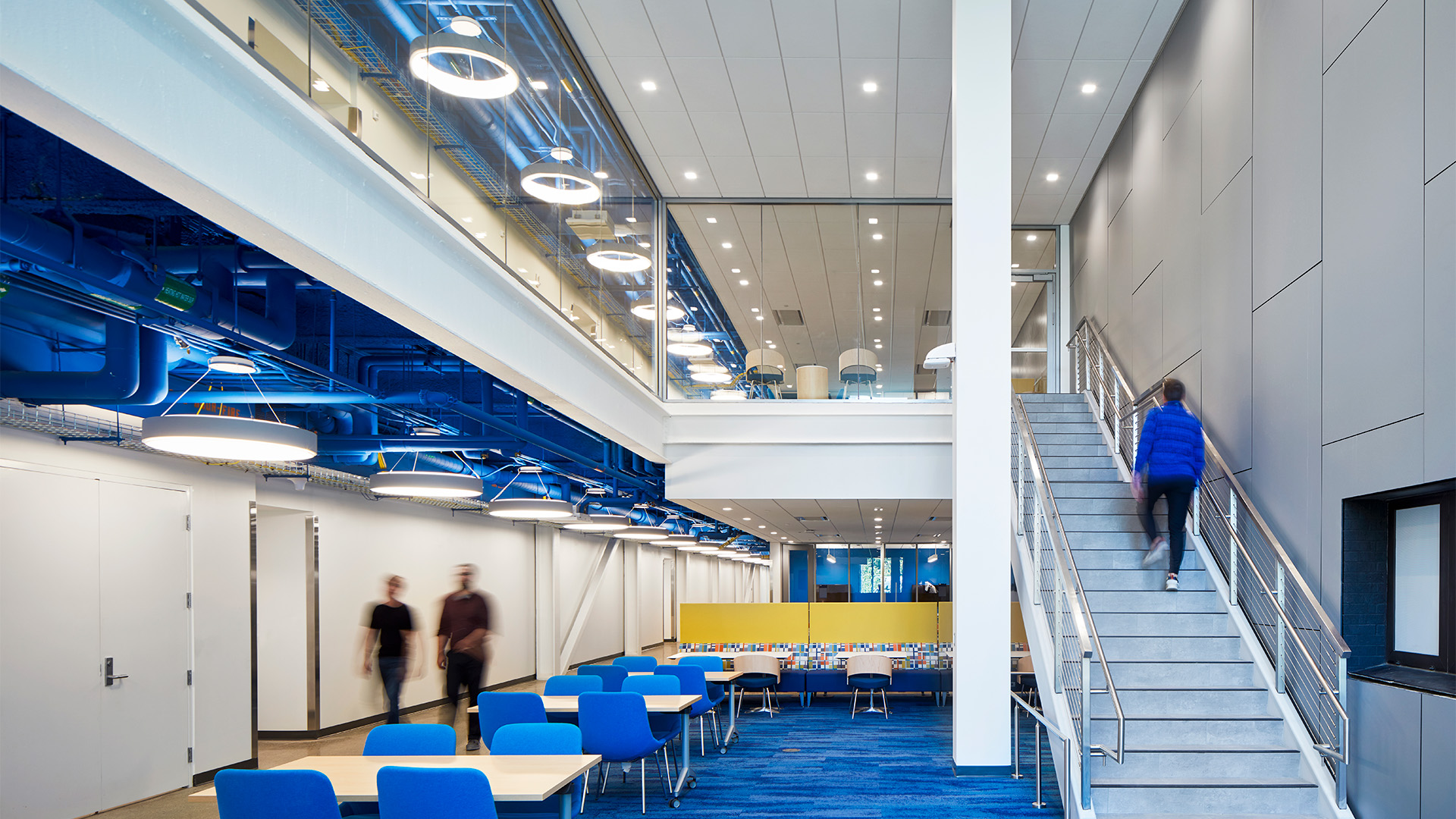
Providing more than functional value While today’s market conditions continue to impact the future of the built environment, fire- and life-safety codes have and will remain touchstones for building ...
>>
Expert Insights
Commentary: How Fire-rated Glass Floor Systems Support Daylighting Goals
Commentary: How Fire-rated Glass Floor Systems Support Daylighting Goals
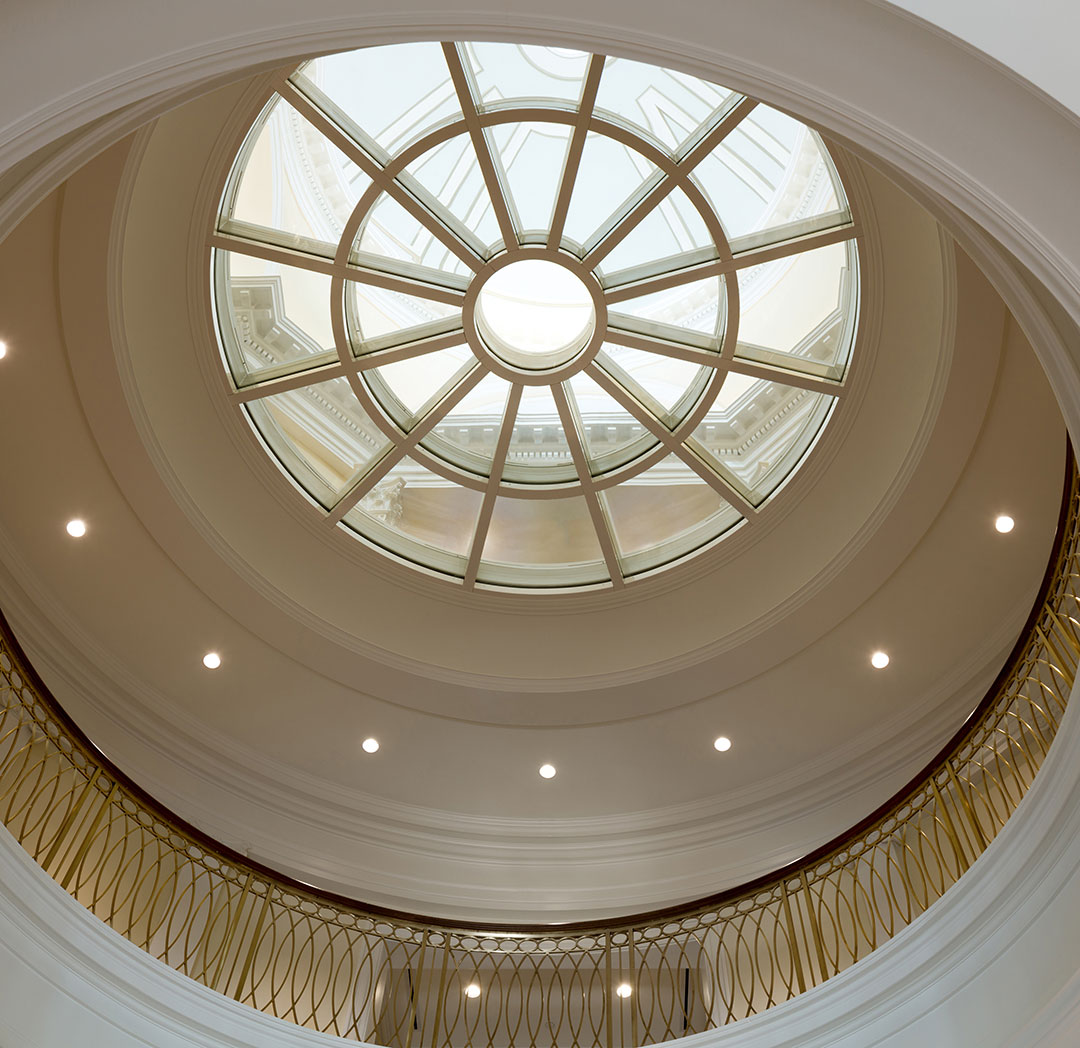
Windows are by no means the only way to daylight a building. Skylights and atriums can effectively pull large amounts of natural light deep into a building’s interior, making them instrumental for day...
>>
Expert Insights
Commentary: A Transparent Product with Product Transparency
Commentary: A Transparent Product with Product Transparency
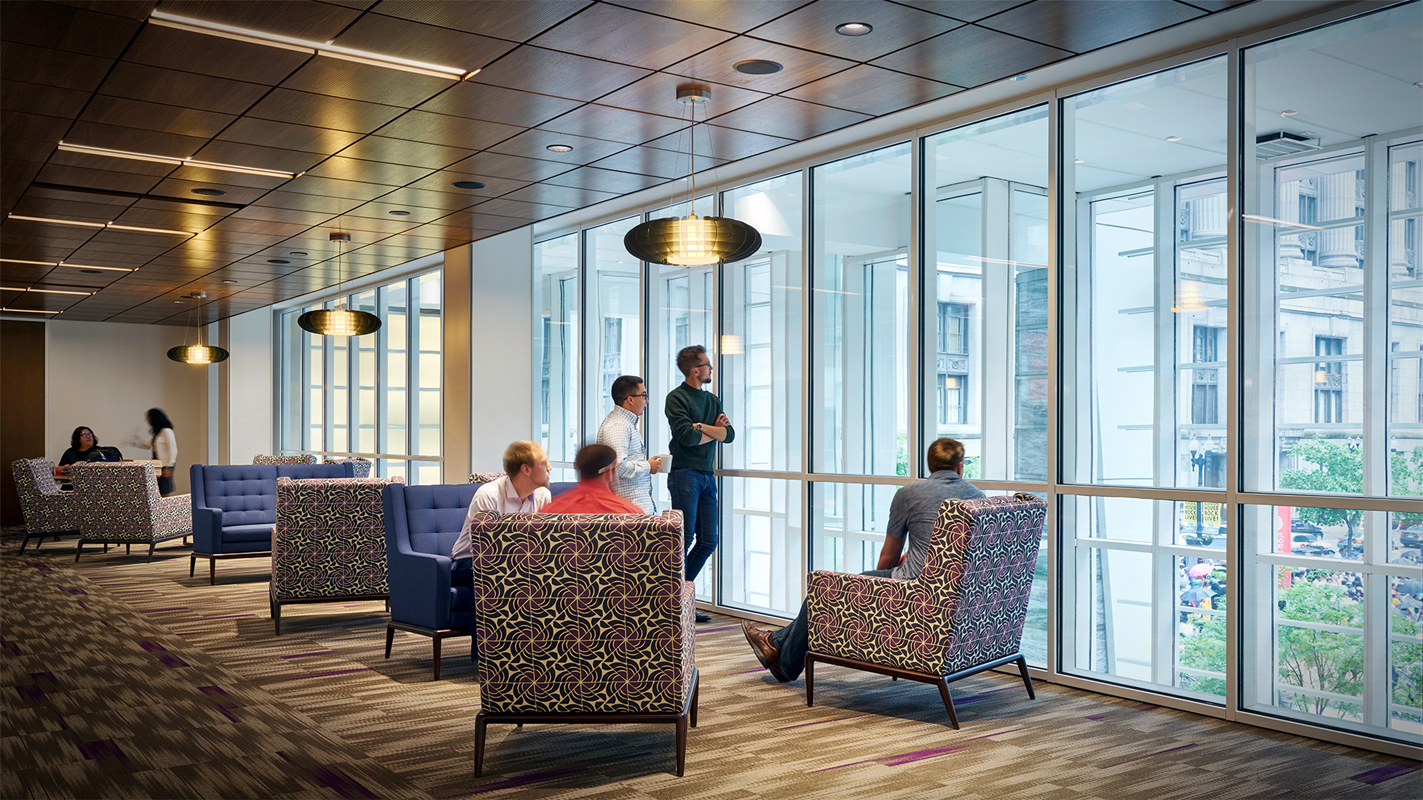
When considering products for a project, architects need a quick way to verify a material’s composition to determine whether or not the product will support their green building goals. That’s where De...
>>
Expert Insights
Commentary: Glass - Designing With An Eye Towards The Future
Commentary: Glass - Designing With An Eye Towards The Future
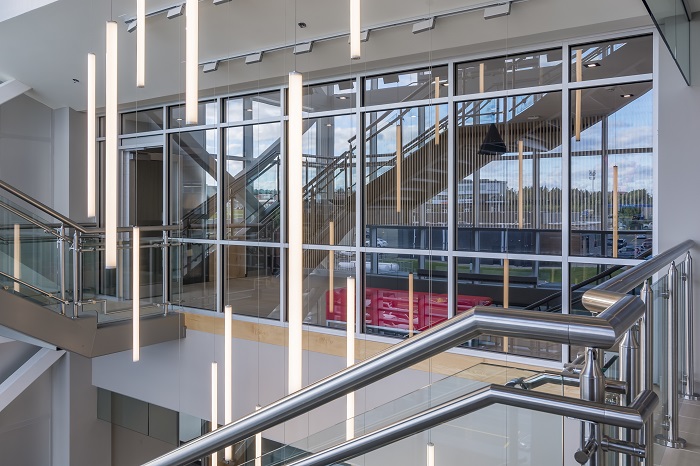
There is no question that the built environment is at an inflection point as we navigate the current health crisis. Firms are reconfiguring offices to encourage people to spread out and use flexible w...
>>
Expert Insights
Interview: Know the Codes - Understanding Fire-Rated Glazing Requirements
Interview: Know the Codes - Understanding Fire-Rated Glazing Requirements
When it comes to fire-rated glazing, knowing and understanding what the building codes require is critical. The codes are changing constantly, so it can be tough to keep up with the requirements. Thom...
>>
Video
A Study in Daylighting Design–The Emerald
A Study in Daylighting Design–The Emerald
Learn how the Pilkington Profilit® channel glass system was utilized in the Emerald to create a unique atmosphere for residential amenity uses.
>>

Design Resource
Fire-Rated Basics

Design Resource
Fire-Rated Door Design

Product Selection
Product Comparison

Design Resource
Look Book

Design Resource
Matched Systems
CARE FOR EVERY DETAIL
Take our AIA-registered course to better understand fire-rated glazing basics and earn I LU/HSW Hour.
Take CourseSpecifire®
Not sure which products are right for your multifamily building project? We’ll help you decide with our interactive tool.
Explore Products